MBA Boland Newsletter- August 2026


Dear Members,
We would like to inform our members that the annual membership fee was increased by 6%, effective 1st July 2026. The decision to increase the membership fees was confirmed at the EXCO meeting on the 28th of May 2026 and was not taken lightly since we understand the importance of maintaining competitive pricing in today’s market and assure you that our approach remains focused on being as flexible and adaptable as possible.
Despite our best efforts to minimize the impact, we must implement this adjustment to ensure the continued quality of services provided, in conjunction with the annual increases experienced in operating costs of the association. The annual membership fee for the 2026/2027 financial year will be as follows:
Membership fee: R3 860.00
VAT: R 579.00
Total: R4 439.00
The MBA Boland strives to provide its members with the best possible services that the association can offer, and we trust that you will continue to make use of these services. For a comprehensive list of the services offered by MBA Boland to its members, please refer to the heading “promote your business”.
For any questions or payment arrangements, please contact:
Sulitha: info@mbaboland.org.za
Daniël: manager@mbaboland.org.za
Warm regards
Daniel Uys
Director : MBA

Health And Safety Related Matters

MBA Boland health and safety team: (f.l.t.r) Gihaino Carelse, Imeraan Anter, Nadia America, Sunil Moonsamy

MBA BOLAND HEALTH & SAFETY STATISTICS FOR 2026
This report provides condensed statistics of some of the activities that were formed by the health and safety officers of the Association.
TRAINING COURSES PROVIDED / CO-ORDINATED
The following training courses were provided during the second quarter of 2026:
Training Courses Provided | Number of Courses | Attendees |
General Safety Induction | 18 | 125 |
Basic Fire Fighting | 2 | 2 |
First Aid Level 1 | 2 | 2 |
Scaffold Erector | 3 | 18 |
Scaffold Inspector | 2 | 2 |
Working @ Heights | 3 | 23 |
SACPCMP Work Session | 1 | 35 |
Total | 31 | 207 |
SACPCMP work session:
Due to numerous requests from health and safety officers and other professional services that are permanently employed by our members, the Association arranged a SACPCMP work session at the MBA offices. The work session was well attended, and the delegates found the interaction with the representatives Mr. Kobus v Wyngaardt and Ms. Natasha vd Berg extremely helpful. Delegates had the opportunity to ask questions and to obtain clarity on issues that they are experiencing with various aspects of their registration and accreditation.
The following topics were covered during the session:
- Who must register?
- What is the registration process?
- What are the benefits of registering?
The slide show that was used during the work session will be published in the next newsletter.
This was the first time that the SACPCMP have held such a road show at the MBA Boland offices and have promised to make this work session an annual event due to its success.
SITE VISITS / CONSULTATIONS
A total of 338 site visits were undertaken during 2026.
Summary of Site Visits: 2026
Month | Total |
January 2026 | 29 |
February 2026 | 78 |
March 2026 | 54 |
April 2026 | 65 |
May 2026 | 44 |
June 2026 | 68 |
Total | 338 |
Summary of Health and Safety Files: 2026
A total of 123 health and safety files have been compiled for both principal contractors and contractors.
Quarter | Total |
1st Quarter 2026 | 61 |
2nd Quarter 2026 | 62 |
Total | 123 |
Summary of Incident Investigations: Second Quarter 2026
There were 2 incident investigations regarding work related incidents for the second quarter of 2026 that were conducted in total by our health and safety officers.
The incidents related to:
- dust in the employee’s eyes, and
- fall from a height.
No fatalities were reported.
Summary of Medicals: 2026
Medicals are arranged by the Association on request with an accredited service provider, who provides a discount for all MBA Boland members. These medicals are conducted onsite making this task easier for employers.
Quarter | Total |
1st Quarter 2026 | 194 |
2nd Quarter 2026 | 376 |
Total | 570 |
CONCLUSION
Investing in health and safety initiatives is paramount for the long-term well-being of both the community and the workforce. By implementing comprehensive health programs and robust safety measures, employers can ensure a safer environment that promotes productivity, prevents accidents, and enhances the overall quality of life of all employees.
Our health and safety department comprises highly skilled safety officers who can assist our members with various aspects pertaining to the compliance of the health and safety regulations and legislation on construction sites. You are encouraged to make use of the services of the MBA Boland as the services provided are not only of a high professional standard but are also provided at reduced rates for members compared to other role players that provide similar services to the industry.
Please feel free to contact our health and safety officers and obtain a free quotation for the services that you require.

Labour related matters
South Africa’s Enforcement Crackdown on the Employment of Undocumented and Overstay Foreign Workers.
South Africa’s current position is clear: employers may not lawfully employ undocumented foreign persons, and they must also ensure that foreign employees’ visas or permits remain valid for the work they perform. The recent enforcement emphasis is on inspections, penalties, and employer due diligence, while undocumented workers themselves may face arrest and deportation.
Current legal position
The legal framework does not support a blanket ban on all foreign nationals; it focuses on lawful status and work authorisation. A foreign person may be employed only if they have the right to work under the Immigration Act, an endorsed asylum seeker permit, or another lawful basis for employment.
If a foreign employee’s documentation has expired, the position is not treated as harmless admin delay. The employer is expected to monitor expiry dates and ensure that the person remains authorised to work; once the documentation lapses, continued employment becomes legally risky and may be unlawful.kernattorneys+1
Enforcement climate
Government has publicly stated that it is intensifying workplace inspections against employers who hire undocumented foreign nationals, with the Department of Employment and Labour, Home Affairs, and SAPS involved in enforcement. The stated policy direction also includes stronger penalties, including possible imprisonment, and more inspectors.
Recent departmental messaging has also linked these cases to arrests during blitz inspections and has repeated that employers can be fined while undocumented workers may be arrested and deported. At the same time, public commentary has clarified that no new “automatic” law recently came into force on the date circulating in social media, but the existing prohibitions remain in place.
Recent government operations have moved beyond warnings and into active enforcement, with arrests, fines, compliance notices, and deportation processes already resulting from workplace inspections.
Authorities have made clear that employing a foreign national without valid work authorisation is unlawful. During a three-day joint blitz inspection in Rustenburg, officials reported that 20 undocumented foreign nationals were arrested, while nine employers were fined a combined R20,000 and issued 54 contravention, prohibition, and improvement notices, together with 120 compliance orders.
The government has also stated that inspections will intensify across sectors and provinces, with the South African Police Service, Home Affairs, and the Department of Employment and Labour working together.
President Cyril Ramaphosa has linked this to a broader migration enforcement drive, while the Department of Employment and Labour has announced more inspectors and tougher penalties for non-compliant employers.
Practical employer duties
Employers should verify a foreign national’s right to work before appointment, keep certified copies of the relevant documents, and diarise expiry dates well in advance. They should also confirm that the visa or permit authorises the specific role, not merely presence in the country.
Where documentation expires during employment, the safest course is to treat the matter as urgent and not simply continue as usual. A fair process should be followed before any termination decision, especially because the person may still be an employee for labour-law purposes even if they are no longer legally entitled to work.
Sources: https://www.labour.gov.za
Legal matters
Article submitted by: Theunis Van Zyl
INDEPENDENT ARBITRATOR, ADJUDICATOR, MEDIATOR
CONSTRUCTION CLAIMS EXPERT
PR TECH ENG, PR CM, PR CPM, FSAICE, A A Arb, NECReg
021 981 4229 / theunis@vzagroup.com / www.zagroup.com


THE CONTRACTUAL BREAK UP
Why did the contractor break up with the construction contract? Because it repudiated their relationship and refused to build a solid foundation!
In the fast-paced world of construction, time, money, and trust are the foundations of every project. But what happens when one party signals—through actions or outright refusal—that they won’t honour their commitments? This is where repudiation comes into play. Whether it’s a contractor abandoning work, an employer refusing to pay, or delays so severe they undermine the entire project, repudiation can lead to costly disputes and legal battles. It isn’t merely just a “dramatic exit” or a “gentle misunderstanding.” It is a legal concept, and it can significantly alter the course of the project.
Repudiation: when “breaking up” is more than just a heartbreak
Anticipatory breach is used as a synonym for repudiation, meaning that repudiation happens when one party makes it clear, either through their words or actions, that they will not be performing their obligations under the contract before (hence anticipatory) the actual performance is due. In other words, they “break the contract,” in advance.
In a contractual agreement between two parties, each party is obligated to fulfil their respective duties. If one party’s failure to perform undermines the core of the contract, rendering it unfair or unworkable, the other party may have a legitimate basis to withhold their own performance, particularly when the failure results from the other party’s misconduct.
As mentioned by Christie (2006), the concept of repudiation overlaps with the concept of breach which justifies cancellation, however, it is very important to note that they are by no means identical even though the same conduct may amount to both breach and repudiation.
In construction contracts, the right to terminate is the right that flows from the breach of a condition in a contract, repudiation of the contract or fundamentally breaching the contract.
“It’s Not Over ‘Til You Say It’s Over: Navigating the Fine Art of Contract Breakups”
It is very important for both parties to the contract to be aware that repudiation by one of the parties does not automatically end the contract. The aggrieved party still has a choice when he/she becomes aware of the repudiation. They can either accept the repudiation and terminate the contract or they can affirm the contract and insist that the defaulting party continues performing.
The aggrieved party has to choose to end the contract in order to terminate it. Even if the aggrieved party intends to terminate but does something that implies, they still want the contract to continue (e.g. they continue to perform their own obligations or they wait too long to act), it can be viewed as though they are affirming the contract. Affirm refers to giving up the right to terminate the contract and then holding the other party to their obligations.
To avoid accidently affirming the contract, even when the intention was to terminate, the aggrieved party has to:
- Act quickly
As the aggrieved party, do not delay the decision of termination.
- Stop performance
The aggrieved party should not continue performing his/her obligations to the contract.
- Give a formal notice
The aggrieved party has to, upon becoming aware of repudiation, give a written notice to the defaulting party, clearly stating to them of termination of the contract due to their anticipatory breach.
If you are unsure at this point in time, get a second opinion from an educated, informed and trusted advisor (which does not included artificial intelligence), as wrongful termination can become very costly.
Breaking Up Is Expensive: Chasing Damages After Contract Failures
Once the contract is terminated, both parties to the contract are not obligated to perform anymore, whether there are obligations they have not performed as yet. The defaulting party now has to pay damages to the aggrieved party in order to compensate for the losses that was caused by the breach of the contract. Ultimately, the goal of these claimed damages is to put the aggrieved party in the same financial position they would have been if the contract had been properly completed. In other words, claiming the monetary effect of what it is costing the aggrieved party to employ someone else to complete the work or service.
In construction, not every plan is set in stone — but knowing your rights can help you avoid getting bulldozed. When the concrete cracks, make sure your legal strategy doesn’t.
Disclaimer:
This article does not constitute legal advice, and every contract should be considered on its own merits. The author or its company shall not be held liable in any way for any consequences whatsoever arising from using and applying any information and advice given in this article.
Current affairs in the construction environment
Article submitted by: Danie Hattingh, Principle officer BIBC pension fund


From Compliance Checks to Industry Change
Inspections may grab headlines, but lasting reform is driven by what follows: ongoing
monitoring, accountability and a culture of compliance
Approximately 94% of the UK’s top 50 contractors are registered with the voluntary Considerate
Constructors Scheme (CCS), a programme built on continuous monitoring, workforce
wellbeing, community engagement and accountability. The scheme includes more than R4.759
trillion (£219 billion) of construction activity annually and conducts over 8,000 monitoring visits
each year.
For the Building Industry Bargaining Council (BIBC), these figures highlight an important lesson
for South Africa’s building industry: meaningful reform is not achieved through inspections
alone, but through what happens afterwards.
The lessons are particularly relevant as both the United Kingdom and the Western Cape face
growing pressure to deliver more housing. Britain’s commitment to build 1.5 million new homes
and rising demand for development in the Western Cape underscore the importance of
maintaining strong labour, governance and compliance standards as construction activity
accelerates.
While compliance inspections often attract attention because of arrests, site stoppages or
enforcement action, the BIBC says their true value lies in driving long-term behavioural change
across the industry.
“Inspections are not the end of the process; they are the beginning,” says Danie Hattingh,
spokesperson for business at the BIBC.
“The objective is not simply to identify non-compliance, but to create a fair, sustainable and
accountable industry where employers compete on a level playing field and workers receive the
protections to which they are entitled. No employer should gain an advantage through labour
exploitation or non-compliance.”
As part of its statutory mandate, the BIBC conducts both courtesy visits and compliance
inspections across the Greater Cape Peninsula building industry.
Courtesy visits focus on education, stakeholder engagement and support, helping employers
understand employee benefits, regulatory requirements and available industry support. These
visits are conducted across active building sites within the Council’s jurisdiction.
Compliance inspections, meanwhile, may be triggered by employee complaints, whistle-blower
reports, internal audit findings and histories of recurring non-compliance or routine monitoring
programmes.
Importantly, inspections represent only the first step in a structured compliance process.
Following a compliance inspection, a detailed site report is issued identifying areas of concern
and corrective actions required. Where issues remain unresolved, employers may receive
formal compliance orders with deadlines for voluntary compliance.
Continued non-compliance can ultimately lead to dispute resolution processes through the
CCMA and, where necessary, further legal action.
“The real impact of inspections occurs after the site visit,” says Hattingh. “Ongoing monitoring
allows us to track whether corrective action has been taken, identify repeat patterns of non
compliance and ensure employers meet their obligations over time.”
A key area of focus is pension and benefit compliance.
According to the BIBC, compliance investigations assess not only wage compliance, but also
whether employers are meeting their pension and employee benefit obligations.
“Pension and benefit contributions are not administrative formalities,” says Hattingh. “They are
essential protections that safeguard workers’ long-term financial security.”
The benefits extend beyond employees.
Consistent compliance monitoring prevents non-compliant employers from gaining an unfair
advantage and promotes stronger governance, accurate payroll practices and greater
transparency.
The BIBC says it is already seeing evidence that enforcement activity is influencing behaviour.
Contractors are increasingly seeking compliance guidance, improving employee registration
processes and strengthening internal controls, while developers are placing greater emphasis
on subcontractor vetting.
“Enforcement is driving greater professionalism and accountability,” says Hattingh. “More
companies now recognise that compliance is not simply a legal obligation; it is essential to
credibility, competitiveness and long-term sustainability.”
International best practice suggests that this approach can deliver broader industry benefits.
The UK’s CCS programme demonstrates how regular monitoring, independent assessments
and a commitment to workforce wellbeing, environmental responsibility and community
engagement can help raise standards across an entire sector. The scheme’s success shows
that accountability and continuous improvement can become embedded in industry culture
rather than being driven solely by enforcement.
For South Africa, Hattingh believes the opportunity extends beyond compliance alone.
“Success in building should not be measured only by projects completed on time and within
budget,” he says. “It should also be measured by how workers are treated, whether
communities benefit, and whether employers operate responsibly and ethically.”
The BIBC believes its role extends well beyond inspections and enforcement. Through
education, stakeholder engagement, dispute resolution and ongoing compliance support, the
Council aims to help build a more resilient, professional and sustainable building industry.
“Lasting reform happens when accountability becomes part of industry culture,” Hattingh
concludes. “Inspections may start the conversation, but continuous improvement is what
ultimately changes behaviour and strengthens the industry for everyone.”
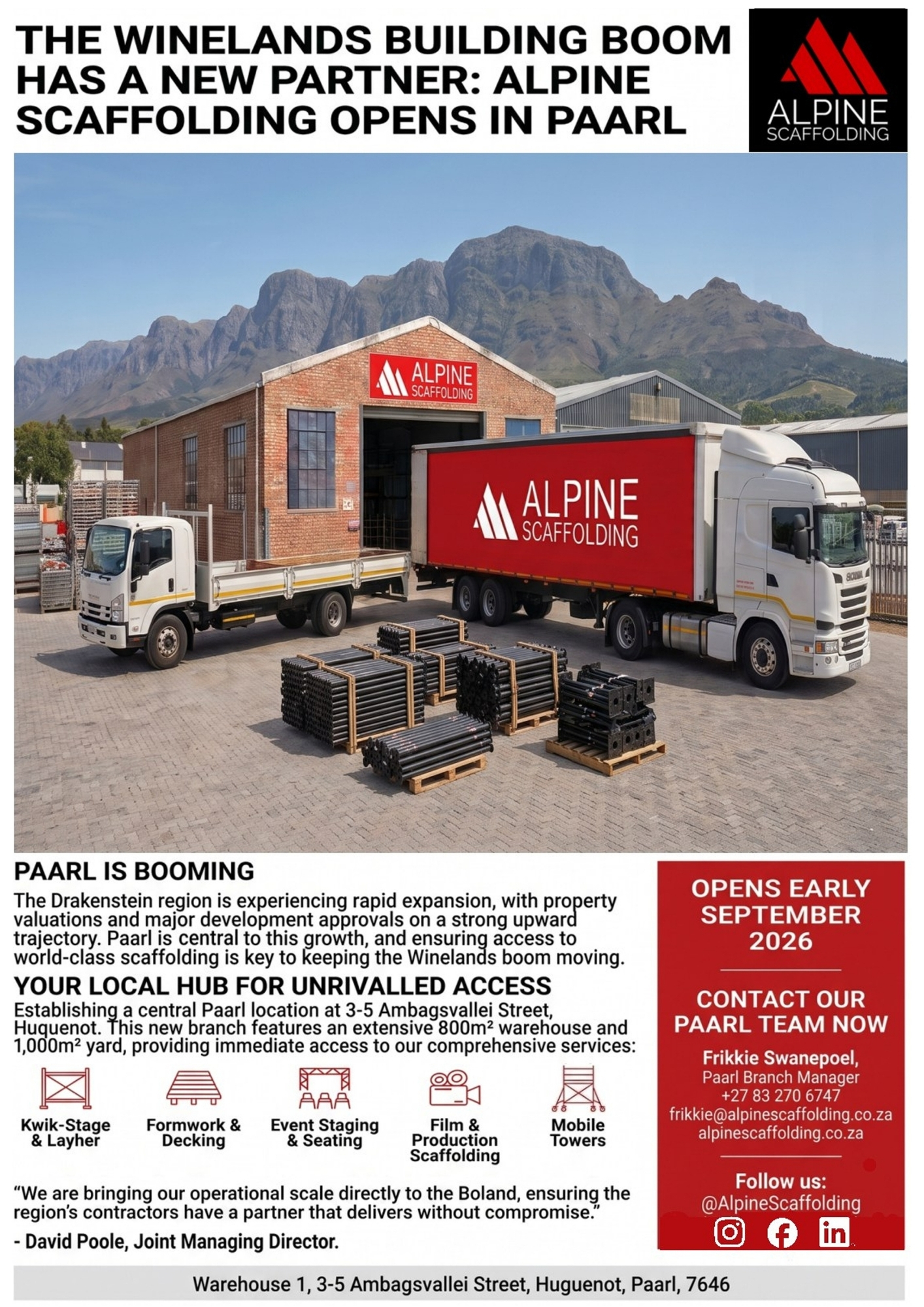
New Scaffold Company in Paarl
News articles published
- 1. The Constitutional Court dismisses the urgent application against South Africa's new employment equity quotas, but “Sakeliga” said it will take the fight under review.
- 2. Shoprite loses labour court fight over contested R10,000 dismissal of long-serving worker - Shoprite Checkers employee has been reinstated after Labour Court rules her dismissal was unfair following missing cash.
- 3. Government defends tough migration crackdown amid increasing anti-foreigner sentiment - A total of 2,745 foreign nationals have been repatriated to their home countries since President Cyril Ramaphosa unveiled plans to deal with illegal immigration.
- 4. Undocumented foreign nationals arrested during joint law enforcement operation in Pretoria - More than 40 suspected undocumented foreign nationals have been arrested during a joint law enforcement operation in Pretoria. Officials from multiple government departments and law enforcement agencies participated in the operation, making arrests at several sites across the city. The raid targeted businesses suspected of contravening labour and immigration laws.
- 5. Labour Court rejects advocate's bid for legal representation at CCMA - Decisions about legal representation are procedural matters that fall squarely within the discretion of the CCMA arbitrator.
- 6. Labour Court overturns CPUT dismissal, awards R497 000 to former employee - Labour Court rules against CPUT in case of employee dismissed over health issues.
- 7. Company fails in bid to stop ex-manager from joining rival after resignation.
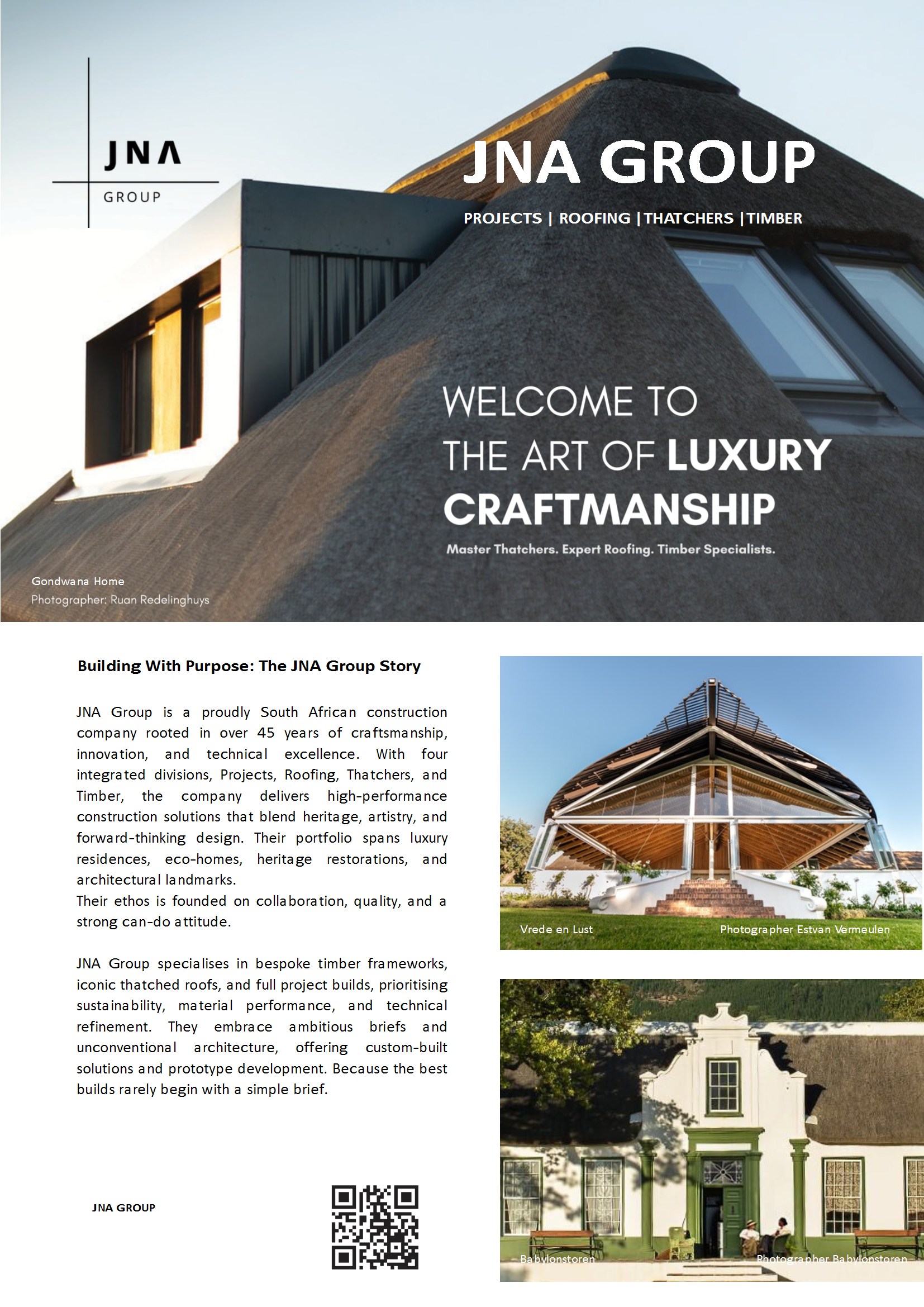
JNA Group


Training and development
Article submitted by: Markus Nortier


From Boland to the Congo: Delivering ICAM Investigation Training in the DRC
There’s a particular kind of silence that falls over a room when an investigator realises they’ve been asking the wrong questions their entire career.
I saw that moment several times during a recent ICAM (Incident Cause Analysis Method) investigation training I delivered in the Democratic Republic of Congo. It’s the moment the methodology stops being a framework on a slide and starts becoming a lens, a completely different way of looking at why incidents happen and, more importantly, how to prevent them from happening again.
That moment is exactly why I do this work.
Why the DRC, and Why ICAM?
The DRC’s extractive and industrial sectors operate under conditions that demand rigorous incident investigation capability. The country hosts some of the world’s most significant mining operations, and with that scale comes serious risk. When incidents occur, and in high-hazard environments, they will, the quality of the investigation that follows determines whether lessons are actually learned or simply filed away.
Too often, organisations in high-risk environments default to shallow investigations. Someone finds a proximate cause, an unsafe act, a missing PPE item, a moment of inattention, and the file is closed. ICAM challenges that entirely. It asks: why was the worker in a position to make that choice? What organisational failures created the conditions? What absent defences should have been there?
That shift in thinking is what I was brought in to facilitate.
What the Training Covered
The programme I delivered was structured to move delegates from theory to application as quickly as possible. My philosophy, whether I’m running scaffold training in Cape Town or investigation methodology in Central Africa, is that adults learn by doing, not by watching slides.
We covered:
- The ICAM model in full, understanding Absent or Failed Defences, Individual/Team Actions, Task/Environmental Conditions, and Organisational Factors as a connected system rather than a checklist
- Evidence gathering and scene management, how to preserve and document a scene before critical information is lost
- Interviewing techniques, building the skills to conduct non-blame-focused interviews that surface real information rather than defensive narratives
- Timeline and barrier analysis, constructing an accurate sequence of events and identifying where defences broke down
- Contributing factor identification, moving from surface causes to systemic ones
- Corrective action development, recommendations that are specific, accountable, and actually address root causes rather than symptoms
We worked through case studies drawn from real incidents in high-hazard industries. By the final day, delegates were conducting mock investigations from scratch, gathering evidence, building timelines, and presenting findings to the group.
What Struck Me Most
Training across borders always reminds me that workplace safety is a universal language. The specifics of the environment change, the climate, the regulatory framework, the operational context, but the fundamental truth doesn’t: incidents are the end product of a system, not just a single bad decision by a single person.
What struck me about the delegates in this programme was their appetite to get it right. These were supervisors, safety officers, and managers who carry real responsibility in demanding environments. They weren’t there to tick a box. They came with questions, with real cases they’d struggled to investigate properly, and with a genuine desire to build something better within their organisations.
That energy makes the work meaningful.
The Bigger Picture
For Phine Academy, delivering programmes like this in the DRC is a natural extension of what we do at home in South Africa. The OHS challenges facing sub-Saharan Africa’s industrial sector are significant, and the demand for high-quality, properly facilitated investigation training is growing.
ICAM is internationally recognised and has been adopted widely in the mining, oil and gas, and construction sectors globally. Helping organisations embed it properly, not just hand out a certificate, but build genuine investigation competence, is where the real value lies.
If your organisation operates in a high-hazard environment and your current investigation process consistently stops at human error, it’s worth asking a harder question: what did your system contribute?
ICAM gives you the tools to answer that honestly.
Markus Nortier is the founder of Phine Academy (Pty) Ltd, a Cape Town-based occupational health and safety training provider specialising in working at heights, scaffold training and auditing, HIRA, and incident investigation. Phine Academy delivers training across South Africa and beyond.
Upcoming events
2026 MBSA ANNUAL CONGRESS
The 2026 Master Builders South Africa Annual Congress will be held on 3 – 4 September 2026 at the Capital, Zimbali, KZN.
This year’s Congress will be hosted under the theme:
“Building South Africa as the Gateway to Africa through Investment and Smart Infrastructure.”
EVENT DETAILS:
MBSA Golf Day: Thursday, 3 September 2026 – Umhlali Country Club
Day 1: Half-day Opening Session (Evening): Thursday, 3 September 2026 – Umhlali Country Club
Day 2: Main Congress & National Health & Safety Awards
Dinner: Friday, 4 September 2026 – The Capital Zimbali
Should you wish to attend the congress you can currently make use of the cheaper “Early Bird” special prices.
Links for both registration to the Congress and the golf day are below: MASTER BUILDERS CONGRESS 2026 – REGISTRATION FORM Master Builders South Africa Golf Day 2026 – REGISTRATION

New Members
A warm welcome to our newest members that have joined the Master Builders Association Boland.
Whether you’re navigating labour relations, health and safety compliance, or the latest municipal infrastructure projects, we’re thrilled to have you on board. As part of our community, you’ll gain access to expert resources, networking opportunities, and updates on South African construction standards to support your success.
Let’s build a stronger industry together!
The list below indicates all new members that joined the Association since the publication of our last newsletter:
NEW MEMBERS
A Plus Waterproofing and Roofing Maintenance
Bergstreme Construction (Pty) Ltd
Coetzee Projects – HeySim (Pty) Ltd
De Waal Developers (Pty) Ltd
Fire Storm Engineering CC
John Martin Construction
Rossprop Investments (Pty) Ltd
Tiletoria Cape (Pty) Ltd
Zgee Sharp Construction
Indicators
- Petrol 95 ULP: R26.05/l (increased by R1.34)
- Diesel 500ppm (0.05%): R28.24/l wholesale (increased by R2.94)
- Diesel 50ppm (0.005%): R28.79/l wholesale (increased by R3.15)
Source: Businesstech
Venue Hire
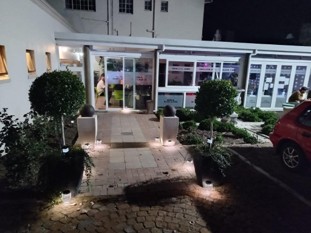
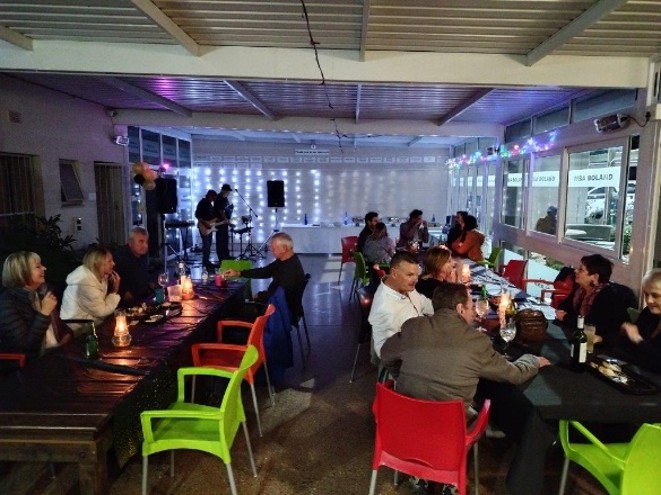
Discover the Perfect Venue for Your Next Meeting, Function, Event, or Party!
Bennos @ MBA Boland
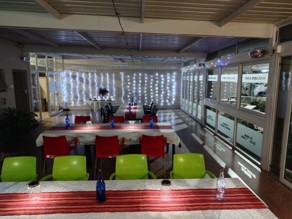
Looking for a versatile space in Paarl that ticks all the boxes? Our function facilities are designed for seamless gatherings for up to 50 people, blending comfort and convenience with a personal touch.
- Spacious Hall: Flexible layouts for meetings, workshops and presentations.
- Braai Facilities: Inside and outside options for that authentic South African braai experience – perfect for casual functions or team-building events. Spit braai is also very popular!
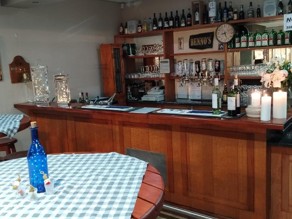
- Bar facility (with card payment option), with bar person: Serving spirits, beers, ciders, wines and cooldrinks.
- Veranda Area: Undercover veranda area for setting up to your own specifications.
- Secure Parking: Hassle-free, gated parking for peace of mind for up to 15 motor vehicles.
Whether it’s a corporate strategy session, birthday bash, product launch, or family celebration, our all-in-one venue delivers professional vibes with a personal touch. Fully equipped, easy access, and competitively priced — book now and elevate your event!
Bennos @ MBA Boland
23 Concordia Street
Southern Paarl
MBA BOLAND – VENUE HIRE
FUNCTIONS / MEETINGS
R4 000-00 (non-members)
R3 500-00 (members)
INCLUDED:
Secure parking for approx. 15 vehicles
Use of the main hall (used for meetings etc)
Use of kitchen / braai facilities
Use of veranda and bar area (tables/chairs)
Bar facilities with a barman for max 5 hours and a max of 25 people.
Crockery / cutlery (max 50 pax)
Cleaning next day
Also available:
- Projector & big screen
- Fibre internet
- Bluetooth Speaker
- Flatscreen television
EXCLUDED:
Catering / drinks
Any assistance with set up / decoration of the venue according to client needs
Wood / charcoal for fires and/or braai
Spit braai equipment
CHARGES RELATING TO BAR FACILITY:
Fee for 1 additional barman if more than 25 people, max 5 hours – R350
Corkage : R30-00 per bottle (only wine/champagne allowed)
Should you require specific brands of liquor/drinks, 5 working days’ notice prior to the event must be given.
Large white tablecloths : Hiring at R25-00 each
DEPOSIT OF R500-00 PAYABLE FOR BREAKAGE FEE
(refundable within 7 days after the function)
Contact Person: Sulitha Swanepoel
Tel: 021 863 3330 — Email: info@mbaboland.org.za