Disclaimer 
The Master Builders Association Boland (MBA Boland) does not necessarily endorse or agree with the contents, views, or opinions expressed in articles published on this platform. Neither MBA Boland nor its staff members can be held responsible or liable for the opinions, advice, or information provided by the authors of these articles. 

Dear Members,

The Annual General Meeting (AGM) of the Association took place on Wednesday, 22nd of October 2025.

At this meeting the new EXCO was elected to lead the Association for the current year (2025/2026)

The EXCO is made up as follows:

Name

Stanley Stevens- President

Benito Perrins- Vise President

Hendre Venter- Treasurer

Members

Arthur Clift,  Pieter Lambrechts

André Dempers,  Arno Badenhorst

Ben Vrey,  Marietjie du Plessis

Gerhard Fourie (Jnr),  Leon Brugman

William Clift (Jnr)

Daniël Uys- Director

Riël Haupt- Legal Advisor

We wish them well in their role for the year.

As we embrace the opportunities of 2026, South Africa’s construction industry stands at a pivotal moment of recovery and innovation, contributing 3-4% to our national GDP with a market value of R200-R250 billion annually.

There are numerous large-scale developments currently underway in the Cape Winelands area, which includes the construction of various malls, large housing complexes and estates, and a marked increase in the additions and renovations to existing homes and structures in the area. The major construction development is the Cape Winelands Airport – This R8 billion privately funded international airport at the former Fisantekraal airfield near Durbanville is poised for groundbreaking soon with construction scheduled to commence in late-2026.

Considering the Department of Employment and Labour’s intensified inspections targeting the employment of foreign nationals and strict adherence to health and safety measures, now is the time for employers to act decisively. Non-compliance risks severe penalties, operational disruptions, and reputational damage under the Immigration Act, Labour Relations Act, and Occupational Health and Safety Act—don’t wait for a knock on the door. By prioritizing proper work permits, fair labour practices, and robust safety protocols, you safeguard your workforce, build a resilient business, and position yourself as a leader in ethical operations. Compliance isn’t just a legal obligation; it’s your competitive edge in a scrutinized industry—step up today and thrive tomorrow.

The association is poised to assist our members with expert guidance on these and all related aspects, ensuring you’re fully prepared and compliant. We encourage you

to make use of these services now, at prices much lower than general market-related rates.

Once again, I would like to remind you that this your newsletter, and we warmly invite you to be a part of its creation. Have an article, photo, or story you’d like to share? Do you know of an upcoming event or a member’s achievement worth celebrating? We encourage you to submit articles, photos, or any content you believe would spark interest and foster engagement among fellow members.

Warm regards

Daniel Uys
Director : MBA

Health And Safety Related Matters

IMPORTANT INFORMATION FOR ALL EMPLOYERS

 To all MBA Boland members,

All employers, as per the Compensation for Occupational Injuries and Diseases Amendment Act No 61 of 1997 (COIDA), must register for worker’s compensation. Any employer who fails to do this is guilty of a criminal offense.

As you will be aware, the annual returns and payments pertaining to coverage of employees for occupational injuries and diseases (COIDA) are now due and payable.

 In terms of the legislation, MARCH and APRIL are designated “WINDOW PERIOD” months where employers can move from COIDA over to Federated Employers Mutual (FEM) link to fem. Failure to move to FEM during this window period, will exclude you from moving until next year.

THE MBA BOLAND RECOMMENDS THAT ITS MEMBERS USE THIS WINDOW PERIOD TO MOVE TO FEM.

ADVANTAGES TO THE EMPLOYER:

  1. No additional cost to the employer.
  2. Personalized service – you have a consultant looking after your interests and do not need to deal with a State Department and a call centre.
  3. All claims are paid out within 30 days of submission.
  4. Merit rebates are given to employers not claiming during the benefit year.

WHAT MUST I DO IF I WANT TO MOVE TO FEM?

  1. Do not submit any returns or make any payments to Compensation Fund during the window period.
  2. Contact the FEM consultant who will assist you with the completion of the returns, payment, and all aspects of your migration from Compensation Fund to FEM.

Contact particulars of your FEM representative:

Name :               Juan Pheiffer                   

Telephone :     021 443 2203

Cell :                   064 768 7858

Email :               juanph@fema.co.za

For further information on the benefits of migrating to FEM, please refer to the attached pamphlet.

Health and safety report

MBA Boland health and safety team: (f.l.t.r) Gihaino Carelse, Imeraan Anter, Nadia America, Sunil Moonsamy

The MBA Boland Health and Safety Team stands at the forefront of workplace safety and employee well-being. They are a dedicated team and help our members with all their Health and Safety needs.

Their commitment to upholding the highest standards of occupational health and safety ensures that every project is conducted in a secure, compliant, and caring environment. Through ongoing training, vigilant risk assessments, and a proactive approach to problem-solving, the team not only safeguards lives but also strengthens the foundation of trust within the members of the organisation.

Their dedication goes beyond compliance, as they continuously innovate and educate staff to create a culture where safety is everyone’s priority. By championing best practices and leading by example, the MBA Boland Health and Safety Team exemplifies what it means to care for both people and progress in the workplace.

They have quite a large area to cover, and the growing membership keeps them extremely busy.

Below are some statistics of the worked performed for the period 1st Jan 2025 to 31st Dec 2025.

Month 

WCA* 

FEM* 

Total 

January 2025 

3 

29 

32 

February 2025 

2 

45 

47 

March 2025 

6 

66 

72 

April 2025 

4 

49 

53 

May 2025 

6 

73 

79 

June 2025 

5 

57 

62 

July 2025 

6 

68 

74 

Aug 2025 

8 

81 

89 

Sep 2025 

6 

64 

70 

Oct 2025 

6 

69 

75 

Nov 2025 

7 

42 

49 

Dec 2025 

1 

34 

35 

Total 

60 

677 

737 

SUMMARY OF HEALTH AND SAFETY FILES COMPILED AND MAINTAINED

Quarter 

WCA* 

FEM* 

Total 

1st Quarter 2025 

14 

64 

78 

2nd Quarter 2025 

7 

41 

48 

3rd Quarter 2025 

8 

51 

59 

4th Quarter 2025 

7 

26 

33 

Total 

36 

182 

218 

* WCA –  refers to companies that work through the Workman’s Compensation Act 

* FEM  –  refers to companies that are Federated Employers Mutual policy holders 

Should you require more information on the Health and Safety services offered by the Association, please contact our Health & Safety Manager. 

Name: Sunil  

Email: sunil@mbaboland.org.za  

Telephone: 021 863 3330  

Cell: 072 834 0421 


Prioritize Safety, Build a Stronger Future

Imagine a site where every worker returns home safely at the end of the day – productive, confident, and proud. That’s the power of proactive health and safety.

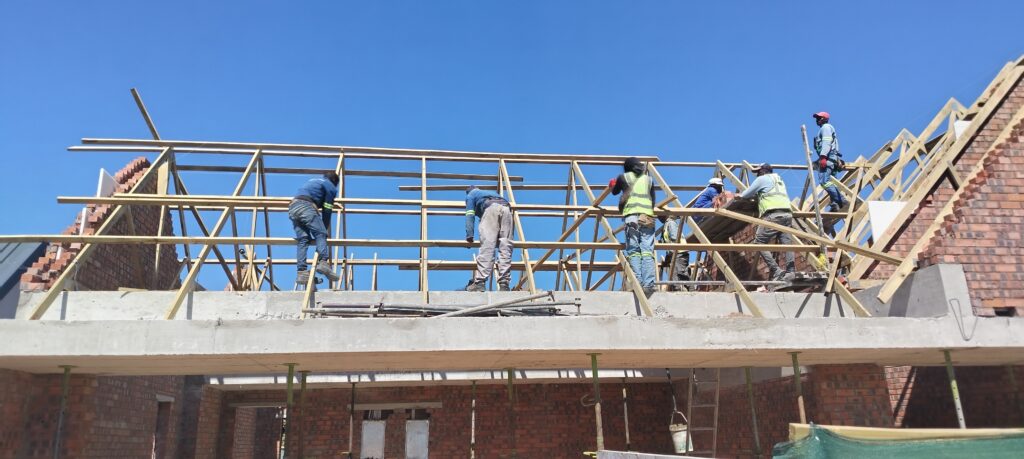
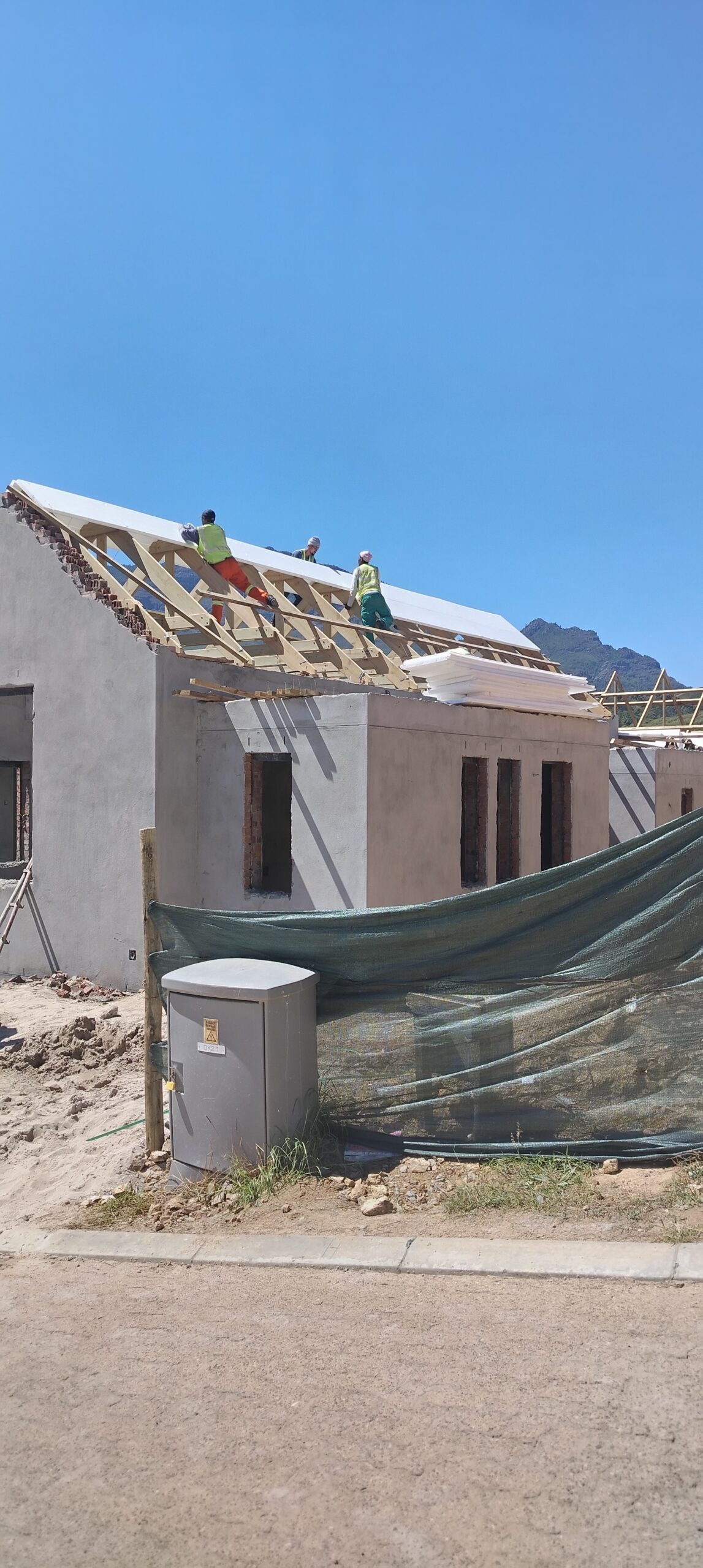
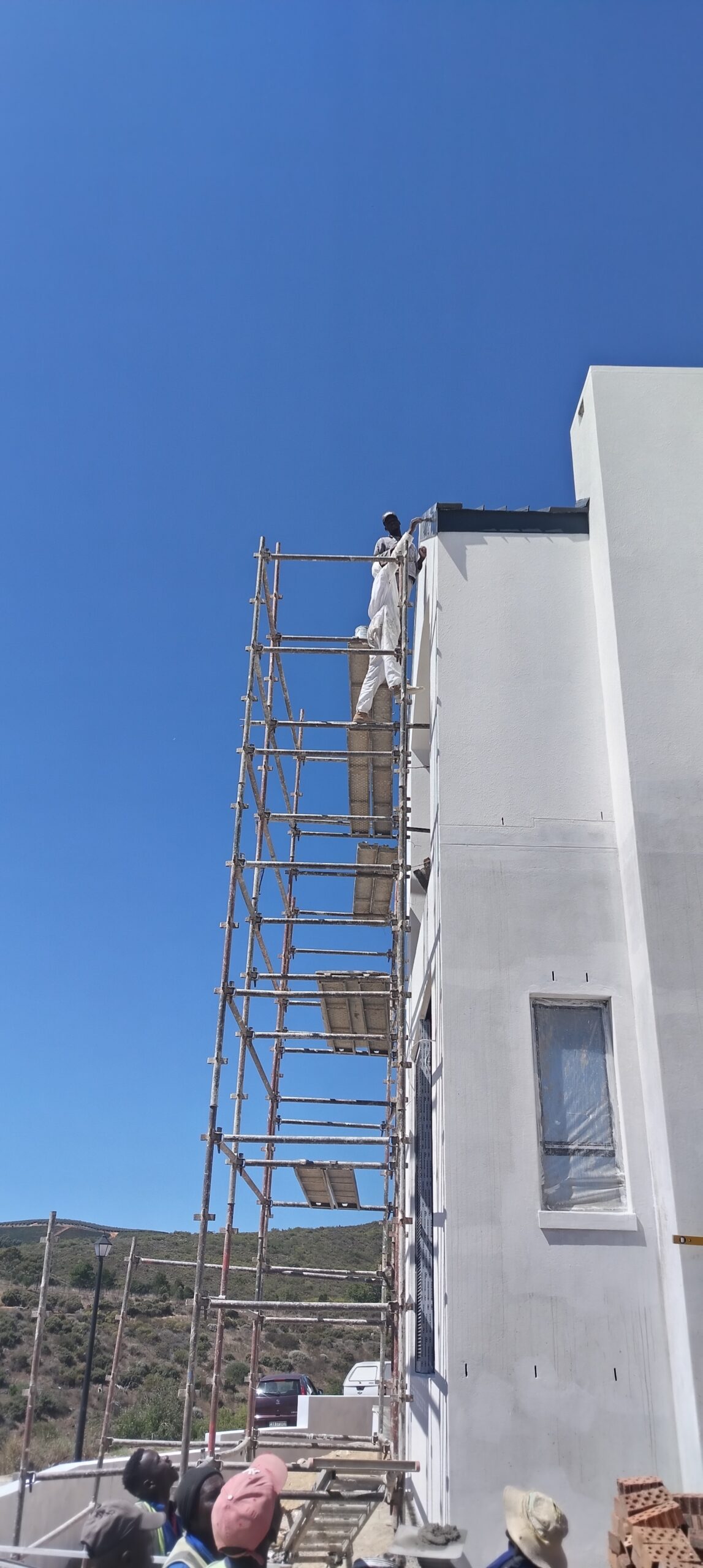
Our MBA Boland Health and Safety Officers capture moments like these in photos: shining examples of safe practices that inspire excellence, alongside opportunities for improvement that guide us forward. These images aren’t about blame; they’re tools to empower you, highlighting regulations in action and identifying areas of concern and sparking real change.

Commit today to leading by example. Spot the risks, fix them swiftly, and watch your sites transform into models of safety and success. Together, we protect lives, boost efficiency, and build legacies that stand strong.

Stay safe, stay compliant, your team deserves it.

MBA Boland Health and Safety Team

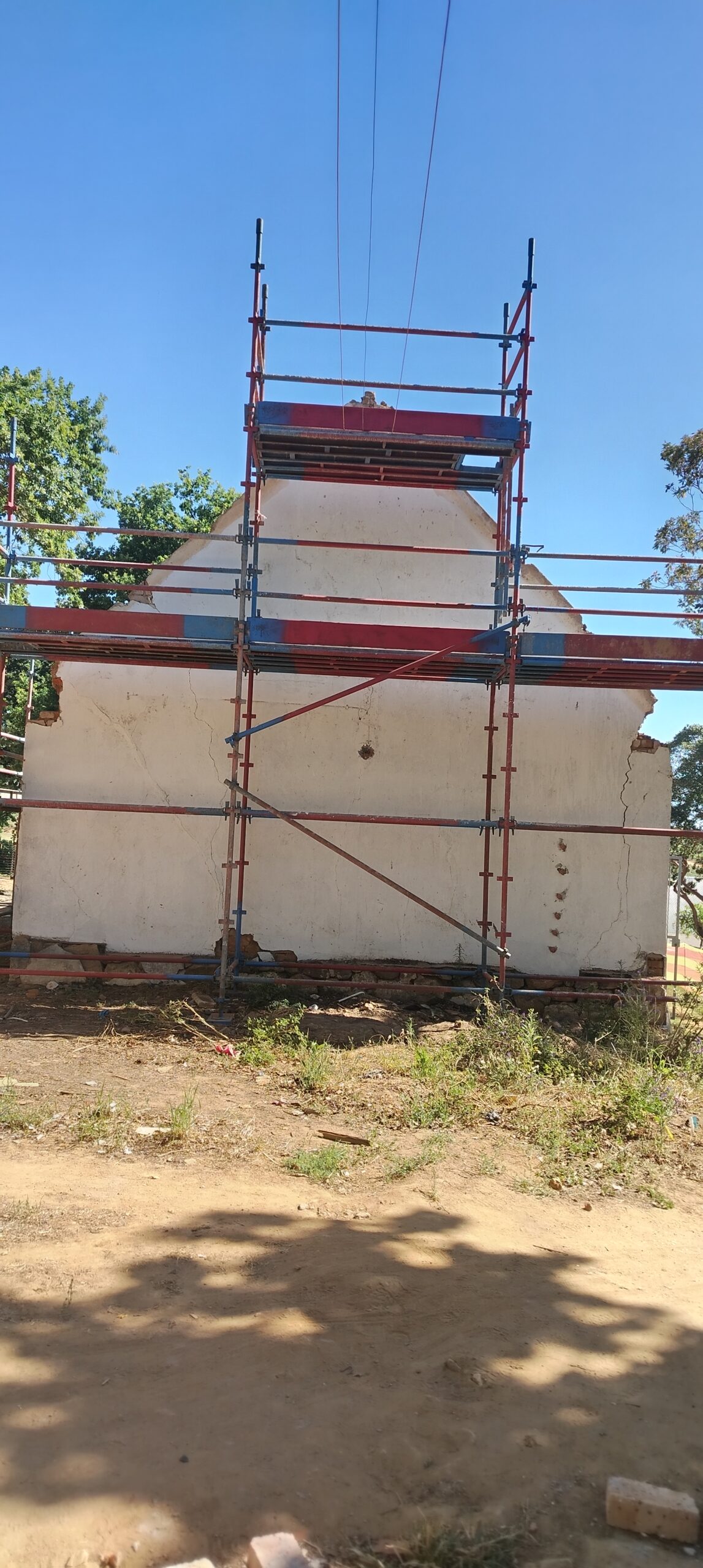
Unsafe working conditions

Safe working conditions

The Risk We Continue to Accept on Site

Across multiple site visits, one thing is clear
Different projects. Different teams. The same safety issues This is not a coincidence. Its reflection of what is being accepted on our sites…

Labour related matters

LABOUR LAW ENFORCEMENT ENTERING A NEW PHASE 

STAY AHEAD: LABOUR COMPLIANCE IS KEY FOR MBA BOLAND MEMBERS 

The Department of Employment and Labour is ramping up enforcement with plans to hire 10,000 additional permanent labour inspectors nationwide, backed by a R10 billion investment over three years. This move addresses current gaps where only 2-5% of workplaces are inspected annually, aiming to boost checks to around 1.6 million per year. 

BOLSTERED ENFORCEMENT AHEAD 

These new inspectors will ensure stricter compliance with workplace laws across all sectors, including construction. In the Western Cape, the Building Industry Bargaining Council (BIBC) will further assist the DoEL with enforcement of labour legislation on construction sites. (For further information on this, please refer to the article under the section “current affairs”. The initiative is separate from the ongoing “Project 20K internship program”, focusing on permanent roles to cover every corner of South Africa. For MBA Boland members, this means more frequent site visits and audits on issues like health, safety, and fair labour practices. 

UPCOMING LEGISLATION CHANGES 

Simultaneously, the Labour Law Amendment Bill 2025 proposes major updates to acts like the BCEA, EEA, UIA, and NMWA, introducing sector-specific equity targets, new rules for on-call work, and tighter dismissal procedures. These reforms respond to court rulings and market shifts, heightening documentation and compliance demands for employers. 

Mr Zenzele Mabuza, Occupational Health and Safety Manager for the MBSA has set out the proposed changes that the bill intends to address. According to him, the Bill seeks to amend the following legislation: 

Basic Conditions of Employment Act: 

  • Substitute and insert certain definitions to allow sectoral determinations to apply to a broader category of employees. 
  • Provide minimum conditions of employment for employees who are required to be available for work. 
  • Provide for parental leave in a manner consistent with the Constitution. 
  • Specify severance pay entitlements and clarify the forum for resolving disputes about severance pay. 
  • Further specify procedures for the recovery of unpaid contributions to benefit funds. 
  • Further clarify the powers of the Commission for Conciliation, Mediation and Arbitration (CCMA) to enforce compliance orders. 
  • Clarify the powers of bargaining councils to arbitrate disputes concerning basic conditions of employment; empower the Minister to make regulations concerning the use of fines by the CCMA. 

Employment Equity Act: 

  • Enable employees to refer claims concerning unfair harassment to the CCMA. 
  • Specify the capacity of bargaining councils to resolve disputes arising under the Act. 

Unemployment Insurance Act: 

  • Provide for the payment of parental leave benefits by the Unemployment Insurance Fund in a manner consistent with the Basic Conditions of Employment Act and the Constitution. 

 National Minimum Wage Act: 

  • Clarify that deferred payments made to employees are not considered when calculating compliance with the national minimum wage. 
  • Alter the composition of the National Minimum Wage Commission. 
  • Require representatives on the Commission to have appropriate knowledge, skills, and experience to fulfil their duties. 
  • Remove the requirement that the President determine the date for the Commission to submit its report to the Minister and provide for related matters. 

Should you wish to view the Labour Law Amendment Bill, 20025, follow the link below: 

Labour Law Amendment Bill, 20025

YOUR PATH TO PROACTIVE SUCCESS 

Embrace compliance as a competitive edge – review contracts, train teams, and document everything to avoid fines and disputes. MBA Boland stands ready with resources to guide you through these changes.  

Let’s build a stronger, law-abiding industry together! 


Legal matters

Next article submitted by: Theunis Van Zyl

INDEPENDENT ARBITRATOR, ADJUDICATOR, MEDIATOR CONSTRUCTION CLAIMS EXPERT
PR TECH ENG, PR CM, PR CPM, FSAICE, A A Arb, NECReg

021 981 4229
theunis@vzagroup.com
www.zagroup.com  

THE WAR IN IRAN – HOW IT MAY AFFECT MY BUILDING CONTRACT 

Building, engineering and construction contracts are concluded for the purpose, amongst others, to define the rights and obligations of the parties and also the risks that may flow from such rights and obligations, whether express or implied. 

Then there is the issue of risk and who bears the risk. All building, engineering and construction projects are subject to risks which can affect their successful completion.  Risks can influence the delivery of a project with respect to time, cost and quality. The generic sources of risk on such projects include commercial and legal relationships, economic circumstances, human behaviour, natural events, political circumstances, technology and technical issues, management activities and controls and individual activity. 

Some risks are insurable for which the contractor is usually compensated through the preliminary section of the bills of quantities and for which the contractor must provide proof of procuring such insurance.  Such insurable risks may include, amongst others, contractors all risk insurance, third party liability insurance, insurance for professional fees, lateral support, etc. 

Then, on the other hand, a construction contract may also allow for a list of excepted risks (or force majeure events) i.e. such risks that do not arise as a result of the contractor or the employer’s actions and/or inactions, objectively outside of the control of both contracting parties, and for which the contractor will then be exempted from liability. 

It is highly probable at this stage that the war in Iran may soon have an impact on the fuel prices in South Africa and also the cost of labour, materials and equipment. The question then arises whether it is the Contractor’s risk or the Employer’s risk? 

The first principle to consider is whether the contract between the Parties allowed for a contract price adjustment provision. In other words, should there be any fluctuations in the rates and prices for labour, materials, equipment and fuel, the Contractor will be remunerated for the effect of the increase in the fuel price as a result of the war in Iran. If the contract allowed for a contract price adjustment provision then this was a risk the Employer undertook to bear in terms of the contract. 

On the other hand, if the Parties did not enter into a contract with a contract price adjustment provision, it can be argued that the risk of any fluctuations in the rates and prices for labour, materials, equipment and fuel is that of the Contractor. In the normal course of business, this would be a valid argument. 

However, the war in Iran did not occur in the normal course of business and will fall within the ambit of Clause 26.5 of the JBCC Principal Building Agreement (Edition 6.2 of 2018): 

“The contractor shall give notice to the principal agent within twenty (20) working days of becoming aware, or ought reasonably to have become aware of expense and/or loss for which provision was not required in the contract sum failing which such claim shall be forfeited.” 

In other words, if the Parties did not agree, as part of the contract, that the resultant cost of any extraordinary rise in fuel prices attributable to war will be the risk of the Contractor, then the Contractor shall be entitled to pursue an expense and loss claim in terms of Clause 26.5 of the JBCC Principal Building Agreement (Edition 6.2 of 2018). The time-bar of 20 working days (as to be considered when the effect is experienced in South Africa) is as important as the Contractor’s burden of proof on the amount suffered in terms of the expense and loss. 

The remedy for the Contractor in the Master Builders South Africa’s Home Building and Small Contracts Agreement is however not that straightforward and will require investigation on a case-by-case basis. It may in any event be best practice to forewarn the Employer that there may be increased costs as a result of probable increases in the rates and prices for labour, materials, equipment and fuel, and that the risk cannot simply be ignored. 

Disclaimer: 

This article does not constitute legal advice, and every contract should be considered on its own merits.  The author or its company shall not be held liable in any way for any consequences whatsoever arising from using and applying any information and advice given in this article. 

Next article submitted by: Mark van Eyssen 

Adviser representing DL Sure as MBA Member 
 
Email: mark@dlsure.co.za 
Mobile: 072 691 2455 
www.dlsure.co.za  

DL Sure – Construction Guarantees for Contracts, Performance Obligations or Project-Related Requirements. 

We are proud to have recently joined the Master Builders Association Boland and are excited to become part of a network of more than 300 professionals and businesses connected to the construction industry in the Boland region. 

At DL Sure, we specialise in personal, commercial, and agricultural insurance, providing tailored risk solutions that give our clients peace of mind while they focus on running and growing their businesses. Through years of experience in the insurance industry, we understand that every business, especially those in construction, face unique and often complex risk exposures. 

One of DL Sure’s key competitive advantages is our highly competent back-office team, who provide outstanding service and support to our clients. Our dedicated claims support staff are experienced and efficient in handling insurance claims, ensuring that clients receive assistance 24 hours a day, 7 days a week when they need it most.  

In addition to traditional short-term insurance solutions, we also offer tailor-made financial construction guaranteesThese guarantees are specifically designed for construction companies that require financial guarantees for contracts, performance obligations or project-related requirements. 

At DL Sure, we understand the specific needs and risks associated with construction businesses, including equipment, liability exposure, contract works and operational risks. Our goal is to work closely with MBA Boland members to ensure that their insurance structures support and protect their operations effectively. 

As a new member of MBA Boland, we look forward to building long-term relationships with fellow members and contributing to a strong and sustainable construction sector in the Boland region. 

Please feel free to contact me should you wish to review your current insurance portfolio or discuss your company’s risk management needs. 

Next article submitted by: Greg Steele

FUEL PRICE VOLATILITY – APRIL 2026 

The Short Answer 

The imminent fuel price hikes are largely attributed to the conflict in the Middle East are about to make their impact on the Building Industry with fuel prices, both petrol and diesel, set rise dramatically on Wednesday, April 1st, 2026.  

The unforeseen expenses and/or losses related to the surge in global fuel prices could, in many cases, not have been foreseeable at the tender stage and would therefore most likely not have been provided for in the contract sums of contractors, subcontractors and material suppliers, etc.  

The big question is how contractors can recover this massive, unexpected additional input cost, whilst at the same time also protecting themselves against further dramatic rises in fuel prices.  

What we expect on 1st April 2026 

Based on the latest under-recovery data from the Central Energy Fund (CEF), projected increases per litre could be as much as:  

Fuel Type  Estimated Increase  

Petrol 95  R5.00 – R 6.00  

Diesel 0.05%  R8.00 – R 9.00  

The Department of Mineral Resources and Energy will announce the final confirmed adjustments a few days before Wednesday 1 April 2026.  

The Impact:  

  • Significant and unanticipated rise in fuel prices; 
  • Increased cost of transport & plant used in construction; 
  • Increased cost and of materials based on transportcomponent;  
  • Possible delaysin material supply due to fuel shortages causing delays;  
  • Increase cost of subcontract works.

What can you do about it?  

Your recourse as a contractor depends on the Building Contract /Agreement you entered into together with any contract price adjustment provisions catered for or selected in the agreement between parties.  

A potential claim could arise based on increased cost and/or extension of time resulting from circumstances beyond your reasonable control which constitute a significant deviation from the economic conditions at the time of your tender submission.  

This recovery is not automatic or guaranteed however different routes may be available depending on your conditions of contract/agreement.  

Action: 

  1. Identifyand study your specific agreement with reference to “expense/loss” and extension of time;  
  2. Determine whether you have a price adjustment provision like “CPAP” and whether that option was selected or whether your agreement is a “fixed price” agreement. 
  3. Start gathering information on the fuel costs at time of tender/quotation; 
  4. Assemble subcontract and material supplier tender prices to compare with future costs based on the increases. 
  5. Notify your client/main contract of the potential increased expense /delay. This should be done in writing and as soon as possible. 
  6. In some contracts time bars exist which need to be adhered to failing which a claim could be rejected. 

Further information:  

If your contract is subject to CPAP (Contract Price Adjustment Provisions), this will be adjusted by the Principal Agent in your payment certificates. Recovery will be based on the accuracy of the indices produced by Stats SA. The MBA is represented on the CPAP Committee and will be monitoring this. 

  • Fuel is a sub-component of several Work Groups and recovery will be based on the adjustment of the various indices;  
  • Stats SA indices usually run a month, or two behind so recovery will also run a few months behind. If you are on a “Fixed Price” Contract (CPAP = “No”), or your specific contract is not clear on expense or loss claims, recovery may be harder butnot impossible if there have been unforeseen circumstances.  
  • You would need to notify the client/contractor of the potential claim foradditional expense and/or delays.  
  • Prepare &submit a claim for and adjustment to the contract sum/final account based on the difference in fuel costs.  
  • Prepare &submit a claim for extension of time based on delays incurred beyond what could have been reasonably expected in order to avoid the imposing of penalties for late completion.  

In closing it is important to note that either way, urgently notifying the client or principal agent or the potential additional expense or delay is critical to the success of any future claim. 

Current affairs in the construction environment

Submitted by: Danie Hattingh, Principal officer BIBC pension fund

Strong Partnerships Deliver Results in Tackling Exploitation in the Building Sector 

National labour enforcement data shows that nearly 30% of workplaces inspected across the country are noncompliant with labour law, and recent sectorspecific inspections found significant noncompliance within construction sites, of which the building industry forms a large part, reinforcing why sustained joint action is critical in addressing the exploitation of workers (Department of Employment and Labour). 

In response to these challenges, the Building Industry Bargaining Council (BIBC) has welcomed the positive outcomes emerging from its strengthened collaboration with government enforcement agencies, describing recent High Impact Inspections as a decisive step in protecting vulnerable workers and promoting fair competition in the building industry. 

As part of the High Impact Inspections Forum, the BIBC joined forces with the Department of Employment and Labour (DoEL), the Department of Home Affairs (Immigrations unit), the SA Border Management Authority, SAPS, City of Cape Town Metro Police and Law Enforcement amongst others to conduct coordinated site inspections in the Western Cape towards the end of last year. The High Impact Inspection was co-ordinated by Mr Vincent Domingo at the Department of Employment and Labour. 

The joint operation focused on the employment of undocumented foreign nationals and broader labour compliance with the Occupation Health and Safety Act (OHSA), Compensation for Injuries and Diseases Act (COIDA) and Unemployment Insurance Act (UIA) within the construction sector; an area long identified as high risk for non-compliant labour practices. 

“The real success here is partnership,” says Danie Hattingh, spokesperson for business at the BIBC. “For some time, we have been raising concerns about widespread non-compliance, underpayment of wages and the employment of undocumented foreign nationals. Receiving an official invitation to participate in joint operations shows that the government acknowledges how important bargaining councils are in tackling exploitation and bringing integrity back to the sector. 

Two major construction sites were targeted during the operation: the Balwin Suikerbos Residential Development and the Thorpe Garage project in Sandown Road, Parklands, undertaken by Tailormade Construction (TMC). 

At the Balwin site, approximately 240 employees were present, with around 160 suspected to be undocumented foreign nationals. Due to the sheer scale of the non-compliance on this site, the site was flagged for follow-up inspection, and biometric data was collected for off-site verification by enforcement authorities. 

At the Thorpe Garage site, approximately 120 employees were present. On the day, 28 undocumented Foreign Nationals were arrested and charged for not producing legal documents. Those individuals have since been released on bail and are due to appear in court again. 

Importantly, enforcement action is not limited to workers alone. Various processes involving DHA Immigration, DoEL and the BIBC are underway to investigate and pursue accountability of the main contractors, Balwin and TMC, and their subcontractors, in relation to the employment of undocumented foreign nationals as well as the under- or non-payment of prescribed wages and benefits. 

“This marks a significant shift in focus,” Hattingh explains. “The emphasis is now firmly on employer accountability. Exploited workers, whether local or foreign, are often the most vulnerable link in the chain. The responsibility to verify and record employment-related information lies with those who employ them.” 

The inspections also highlighted serious compliance concerns among subcontractors operating on site. On the Suikerbos development alone, a significant majority of subcontractors were found to be non-compliant with BIBC requirements, with only a small minority fully compliant. 

Non-compliance ranged from failure to register with the BIBC to non-payment of prescribed wages and benefits. In several instances, companies were also not registered with the Companies and Intellectual Property Commission (CIPC), and some lacked valid registration with the Workers’ Compensation Act (WCA). 

“These findings reinforce why active enforcement is so important,” says Hattingh. “Non-compliant operators undermine law-abiding businesses, distort competition and, most importantly, expose workers to labour abuse and unsafe working conditions.” 

Following the joint operations, the BIBC will initiate its own compliance processes, in line with its statutory mandate, against contractors and subcontractors found to be in breach of the negotiated industry agreements. 

The DoEL has invited the BIBC to participate in future joint operations, particularly where health and safety risks or suspected employment of undocumented foreign nationals is identified by BIBC designated agents during routine inspections. 

There is also a clear and coordinated shift among enforcement authorities toward greater scrutiny of employers. In relation to the recent operation, the BIBC was requested to provide contact details of company directors listed on its systems, publicly available information, to assist with ongoing investigations and coordinated enforcement. 

Employer organisations are encouraged to communicate proactively with their members. Contractors working with main contractors flagged during joint inspections can expect more frequent oversight. Those found to be non-compliant or unregistered with the BIBC may face investigation not only by the Council but also by the DoEL and DHA for broader legislative breaches. 

“Our message to the industry is simple,” Hattingh concludes. “Compliance is not optional. Strong partnerships between regulators and industry bodies are creating an environment where exploitation will be identified and addressed. Ethical employers have nothing to fear, but those who continue to disregard the law should be under no illusion. Joint inspections will continue, and non-compliance will be met with decisive action.” 

Through collaboration, transparency and sustained enforcement, the BIBC and its partners are reinforcing a clear standard for the industry, ensuring that the building sector remains one where lawful business practices, fair competition and decent work are not only expected, but actively upheld. 


About the Building Industry Bargaining Council (BIBC) 

Established by employer organisations and trade unions in the Western Cape’s building industry, the Building Industry Bargaining Council (BIBC) serves as a collaborative platform where both parties negotiate terms and conditions of employment through collective bargaining. Current members include the Master Builders Association Western Cape (MBA WC); MBA Boland; Consolidated Employers Organisation (CEO); Building, Wood and Allied Workers Union of South Africa (BWAWUSA); Building Workers’ Union (BWU); and the National Union of Mineworkers (NUM). 


News articles published

INTERESTING NEWS ARTICLES 

Below are various interesting news articles which have appeared on various sites on the internet. Follow the link to obtain more information on each article and full information of the author of the article..

Training and development

Article submitted by: Markus Nortier

Training

Connect with me on LinkedIn

Skills Builder, Fall Risk Specialist, Temporary Works Specialist.
training@phineacademy.co.za
www.phineacademy.co.za

Stop Skipping the Talk That Saves Lives

1 in 4 workplace fatalities in SA occur in construction

80% of incidents involve a failure in communication or awareness

10 min is all a toolbox talk requires to make a real difference

Every morning on a South African construction site, before the grinders spin up and the scaffolding rattles to life, there is a window, brief, unremarkable, and almost universally wasted. It is the ten minutes before the work begins. It is when a toolbox talk should happen. It is when lives could be saved.

Toolbox talks are not bureaucratic box-ticking. They are not a compliance ritual to appease the Department of Employment and Labour. They are the single most direct line of communication between site management and the workers who face real hazards every single day, and in a sector where South Africa loses workers to preventable incidents at an alarming rate, we cannot afford to treat them as optional.

“A toolbox talk costs nothing but a few minutes. The absence of one can cost everything.”

The construction environment in South Africa is uniquely demanding. Projects span diverse terrains, employ multilingual workforces, and often operate under fierce cost and time pressure. In this context, informal on-site training, delivered in plain language, in the local vernacular, face to face, is not a luxury. It is the most realistic way to transfer critical safety knowledge to the people who need it most. No online module, no laminated poster, comes close.

The argument against toolbox talks is always the same: there is no time. But this is a false economy. The cost of a single lost-time injury, in medical care, in downtime, in legal exposure, in human suffering, dwarfs the time investment of a daily ten-minute safety conversation a thousandfold. Contractors who dismiss toolbox talks as a slowdown are, in practice, scheduling accidents into their programme.

The Construction Regulations under the Occupational Health and Safety Act are clear about the obligation to inform and instruct workers. But legal compliance should be the floor, not the ceiling. The best sites in South Africa, the ones with strong safety cultures and proud track records, don’t hold toolbox talks because the law says so. They hold them because they understand that an informed worker is a protected worker, and a protected worker goes home.

It is time for the South African construction sector to stop treating toolbox talks as a formality and start treating them as the life-saving tool they are. Make them daily. Make them relevant. Make them interactive. And above all, make them non-negotiable, because on a construction site, the conversation you skip in the morning may be the one that mattered most.

Upcoming events

WORK SESSION WITH SACPCMP REGISTRATIONS MANAGER, KOBUS VAN WYNGAARDT 

MBA Boland is planning a work session with SACPCMP Registrations Manager, Kobus van Wyngaardt. To determine if the session can be held as a face-to-face session or if there are too many people who wish to attend, a virtual work session, we need to know the approximate number of attendees. 

The topic that seems to be causing some confusion and frustration in the Industry’s Health & Safety circles is the registration with the South African Council for the Projects and Construction Management Professions (SACPCMP). 

During the session, we propose to cover the following topics:  

  • Who must register? 
  • What is the registration process?  
  • What are the benefits of registering? 

Kobus van Wyngaardt, will explain the process and shed some light on the subject. He will also answer any questions that you might have on the matter. 

This is a must attend session for H&S Officers, Managers, Agents, Professionals, Construction Manager & Company owners. 

The date of this work session is still to be determined. 

WE WELCOME OUR NEWEST MEMBERS

A warm welcome to our newest members that have joined the Master Builders Association Boland. 

Whether you’re navigating labour relations, health and safety compliance, or the latest municipal infrastructure projects, we’re thrilled to have you on board. As part of our community, you’ll gain access to expert resources, networking opportunities, and updates on South African construction standards to support your success.  

Let’s build a stronger industry together! 

The list below indicates all new members that joined the Association since the beginning of the current book year which commenced on 1st of July 2025. 

  • Aart Konstrukt CC 
  • Abacus Construction Company (Pty) Ltd 
  • ADJ Projects CC 
  • Albida Developments 
  • Aluview (Pty) Ltd 
  • Associated Labour Services (Pty) Ltd 
  • Ayanda Steel Fixers & Projects 
  • Beskus Developments (Pty) Ltd 
  • Boland Projects Developments 
  • Build Wealth Construction (Pty) Ltd 
  • C4 Fire & Security National (Pty) Ltd 
  • Ceil-Tech t/a Dimension Interiors 
  • DL Sure (Pty) Ltd 
  • Fundamentum Quantity Surveyors 
  • Imoyo Group 
  • Izinyoni Trading 54 CC 
  • Jobern Konstruksie 
  • Kellerman Corp (Pty) Ltd 
  • Kruis Property Group 
  • LCL Construction (Pty) Ltd 
  • Pinnacle Shield (Pty) Ltd 
  • Precision Architechtural Systems 
  • Qabani WC (PTY) LTD 
  • Renova Properties (Pty) Ltd 
  • RM Anderson 
  • Ruwacon (Pty) Ltd 
  • RVC Provident (Pty) Ltd 
  • Scheltema and Company (Pty) Ltd 
  • Shawkels Builders & Renovators 
  • Silver Solutions 310 
  • Site Ready  
  • Skaapkon CC 
  • Skipi 
  • Stelzmann Plumbing (Pty) Ltd 
  • Sterling Master Builders (Pty) Ltd 
  • Vasa Construction (Pty) Ltd 
  • Zest Creating Homes (Pty) Ltd 


RE-INSTATEMENT 

  • Aquatec Plumbing (Pty) Ltd 
  • Summit Projects (Pty) Ltd 
  • Wesbron CC 

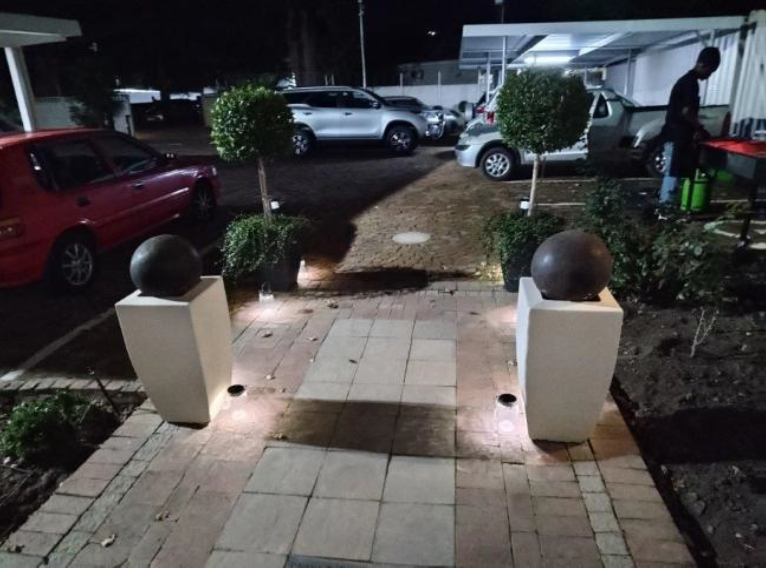
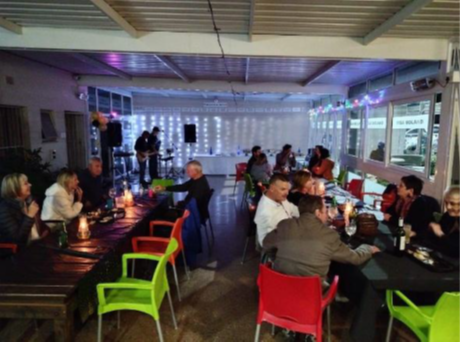
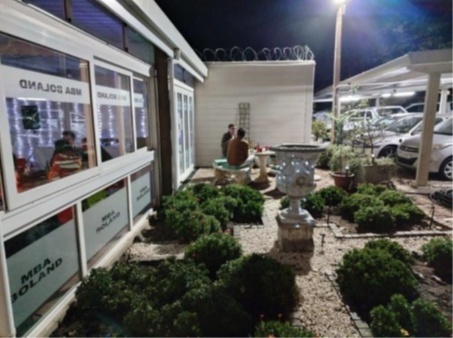
Venue Hire

Discover the Perfect Venue for Your Next Meeting, Function, Event, or Party!
Bennos @ MBA Boland

Looking for a versatile space in Paarl that ticks all the boxes? Our function facilities are designed for seamless gatherings for up to 50 people, blending comfort and convenience with a personal touch.

  • Spacious Hall: Flexible layouts for meetings, workshops and presentations.
  • Braai Facilities: Inside and outside options for that authentic South African braai experience – perfect for casual functions or team-building events. Spit braai is also very popular!
  • Bar facility (with card payment option), with bar person: Serving spirits, beers, ciders, wines and cooldrinks.
  • Veranda Area: Undercover veranda area for setting up to your own specifications.
  • Secure Parking: Hassle-free, gated parking for peace of mind for up to 15 motor vehicles.

Whether it’s a corporate strategy session, birthday bash, product launch, or family celebration, our all-in-one venue delivers professional vibes with a personal touch. Fully equipped, easy access, and competitively priced — book now and elevate your event!

Disclaimer 
The Master Builders Association Boland (MBA Boland) does not necessarily endorse or agree with the contents, views, or opinions expressed in articles published on this platform. Neither MBA Boland nor its staff members can be held responsible or liable for the opinions, advice, or information provided by the authors of these articles.